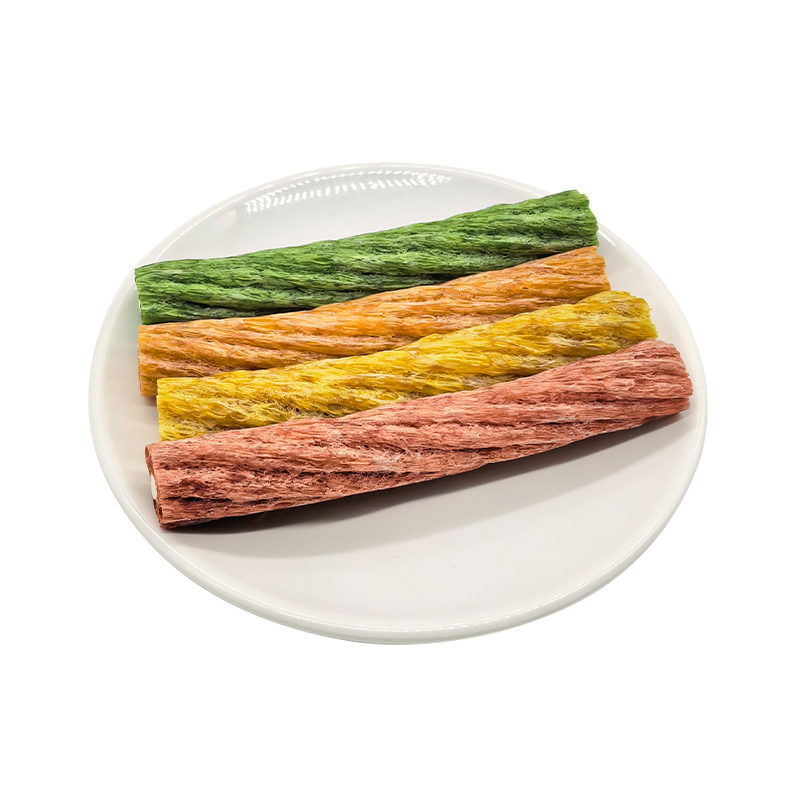
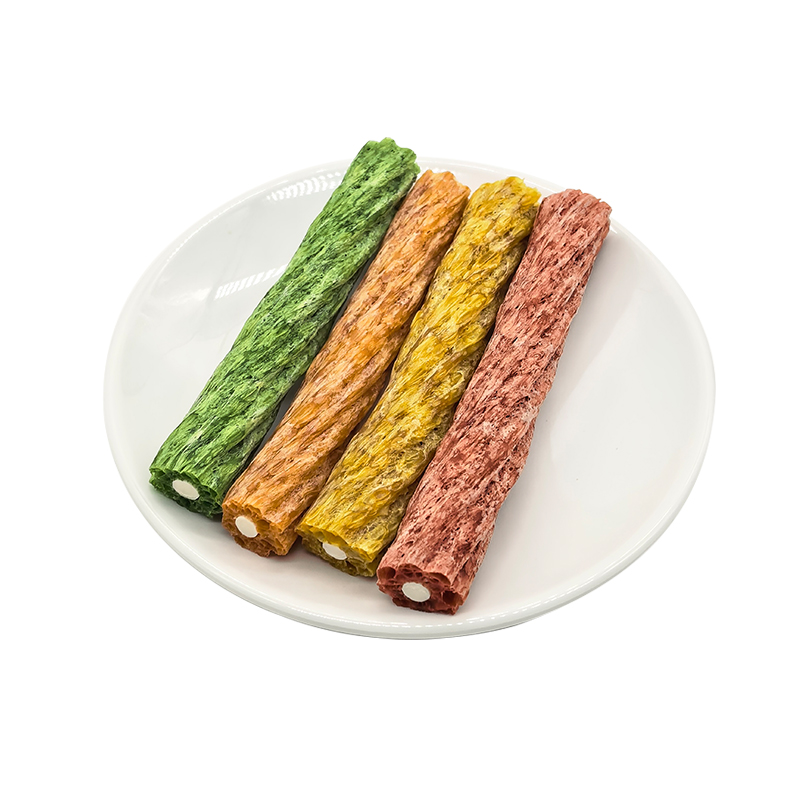
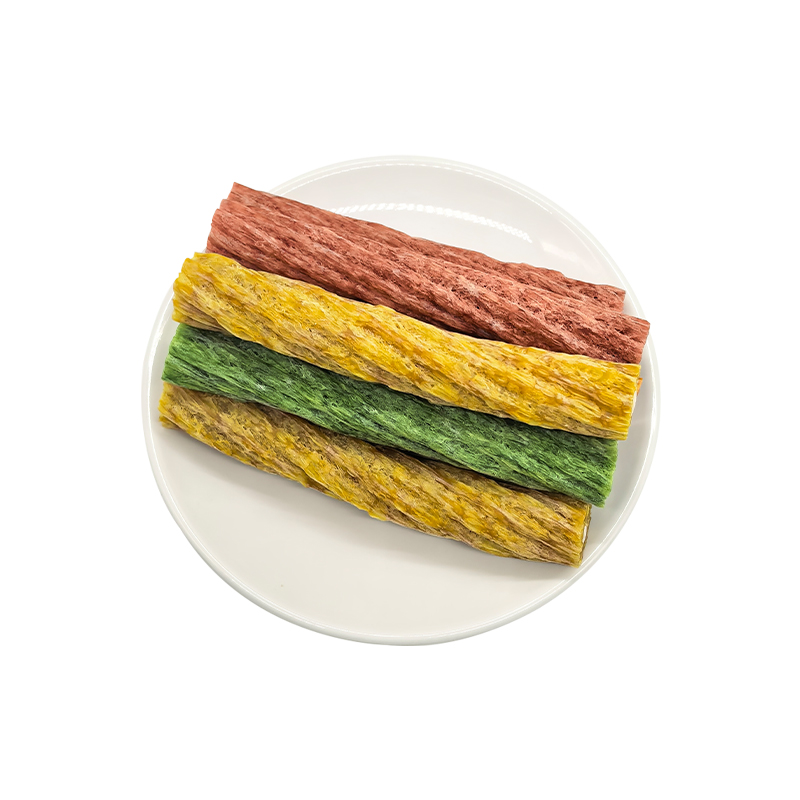
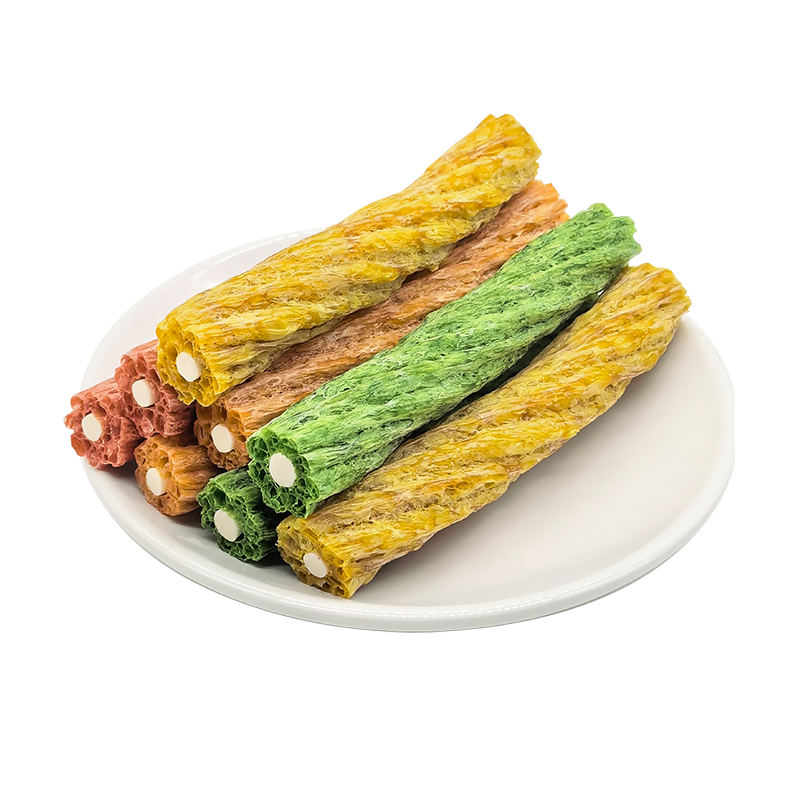
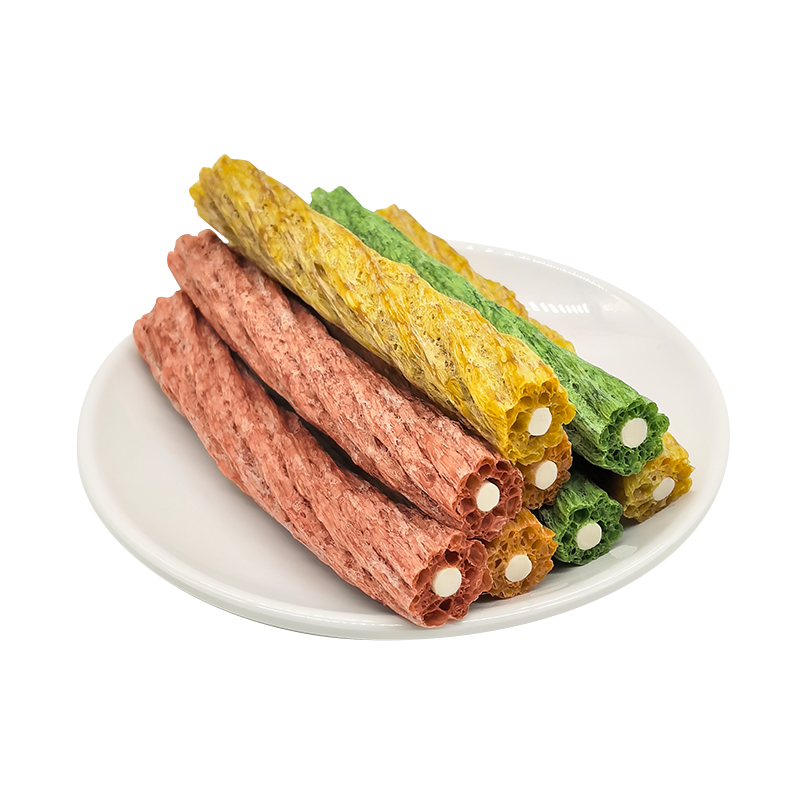
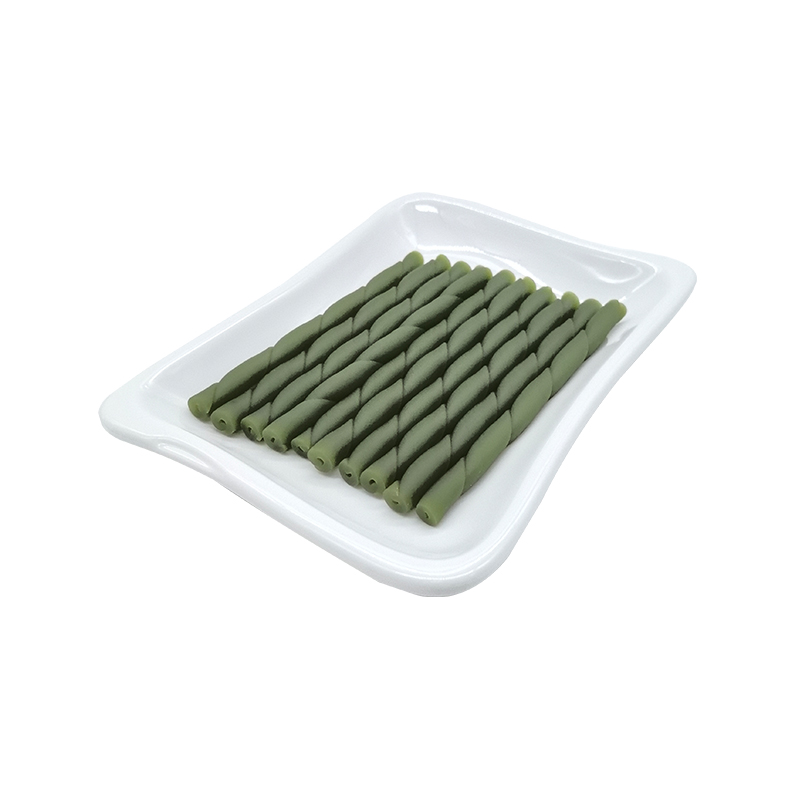
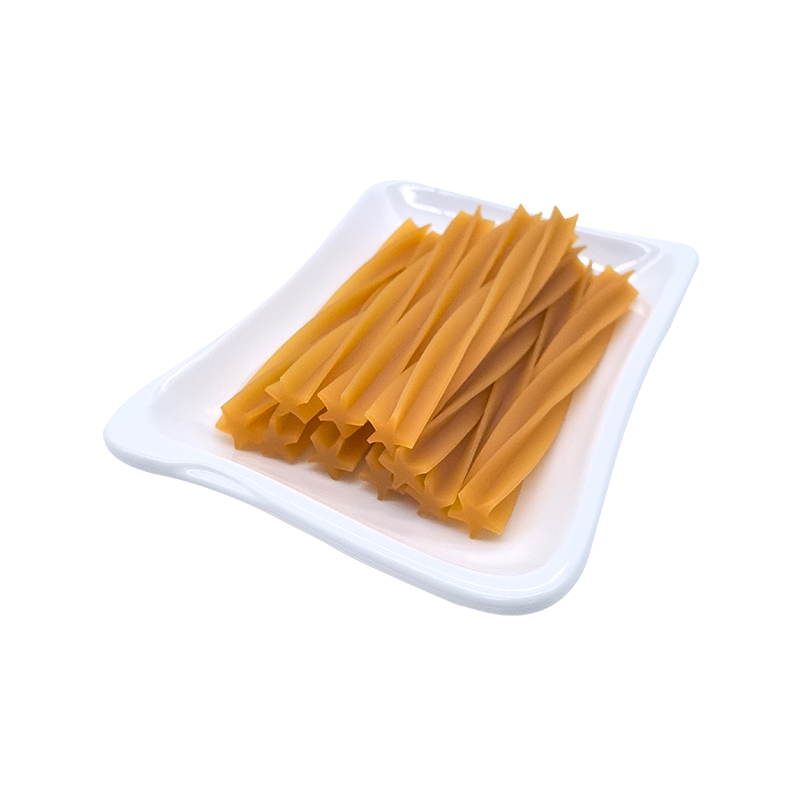
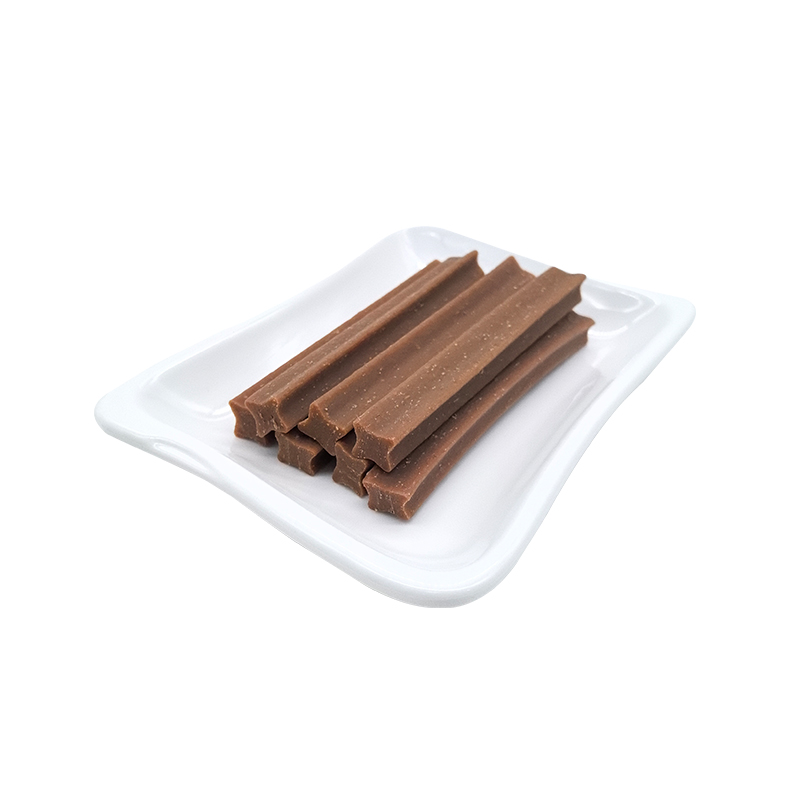
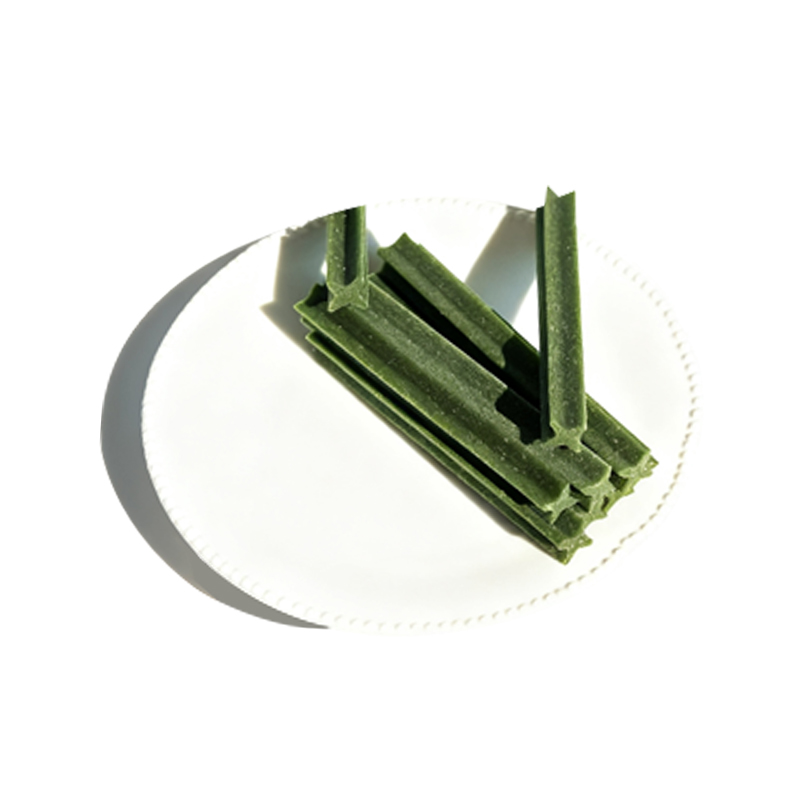
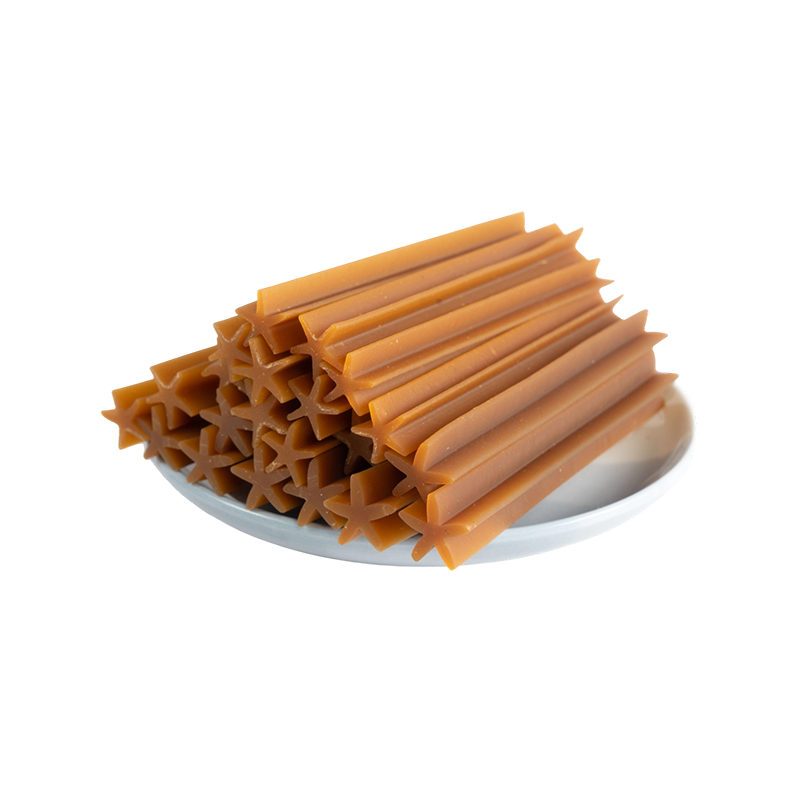
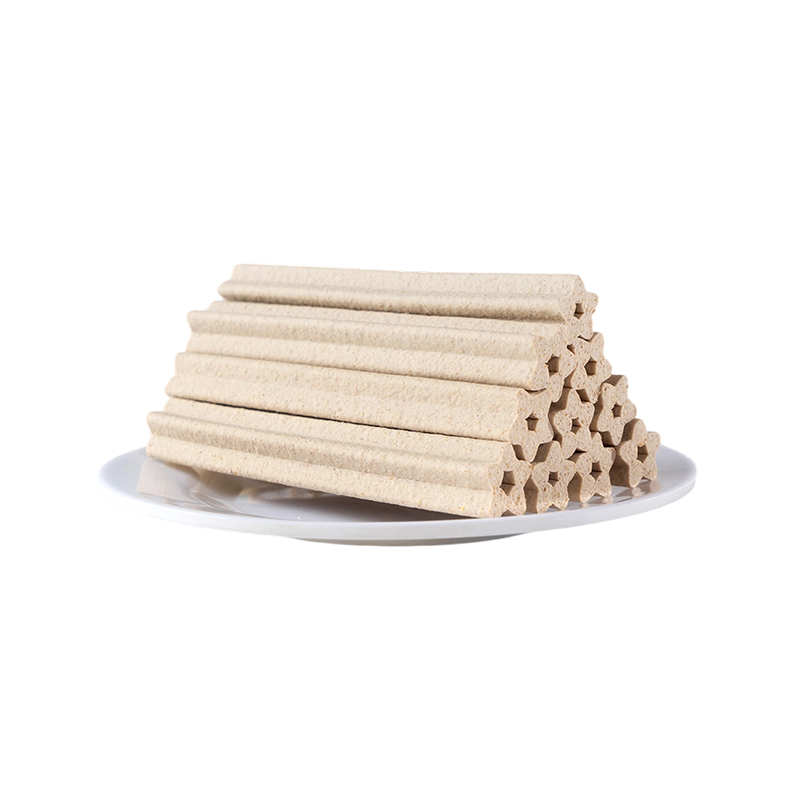
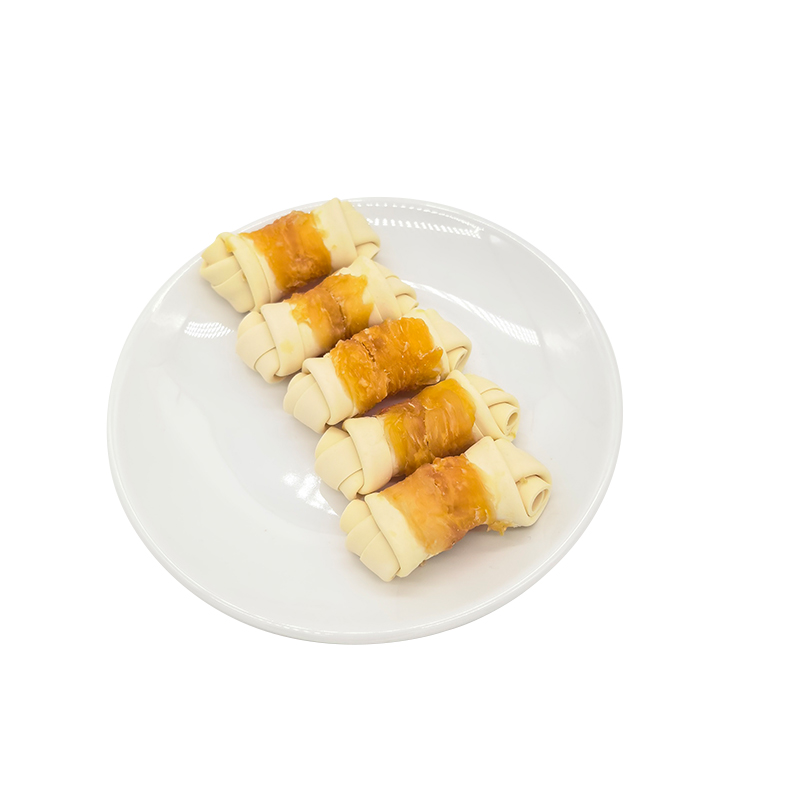
Kausnacks für Hunde: Zahnreinigende, zahnfleischfreundliche Kausticks
Zahnpflege-Kausticks
Kausnacks für Hunde: Zahnreinigende, zahnfleischfreundliche Kausticks
Diese Kausticks bestehen aus erstklassigem Hühnchen und einer Stärkebasis und sind in fünf köstlichen Geschmacksrichtungen erhältlich – Milch, Erdnuss, Minze, Hühnchen und Rindfleisch – um unterschiedliche Vorlieben zu befriedigen. Sie bieten eine doppelte Textur: eine harte, kaubare Außenschicht und einen reichhaltigen, verführerischen Innenkern mit extra langer Kaubarkeit, um Trennungsangst wirksam zu lindern.
Wir befinden uns in Lishui, Zhejiang, in der Nähe des Flughafens. Wir sind auf die Herstellung natürlicher und biologischer Hundesnacks und Kauartikel spezialisiert, darunter Knotenbein, Kausticks, Jerky, Rinderhaut-Kauartikel und mehr. Mit über 20 Jahren Produktionserfahrung verpflichtet sich das Unternehmen, hochwertige und gesunde Produkte für Hunde zu liefern.
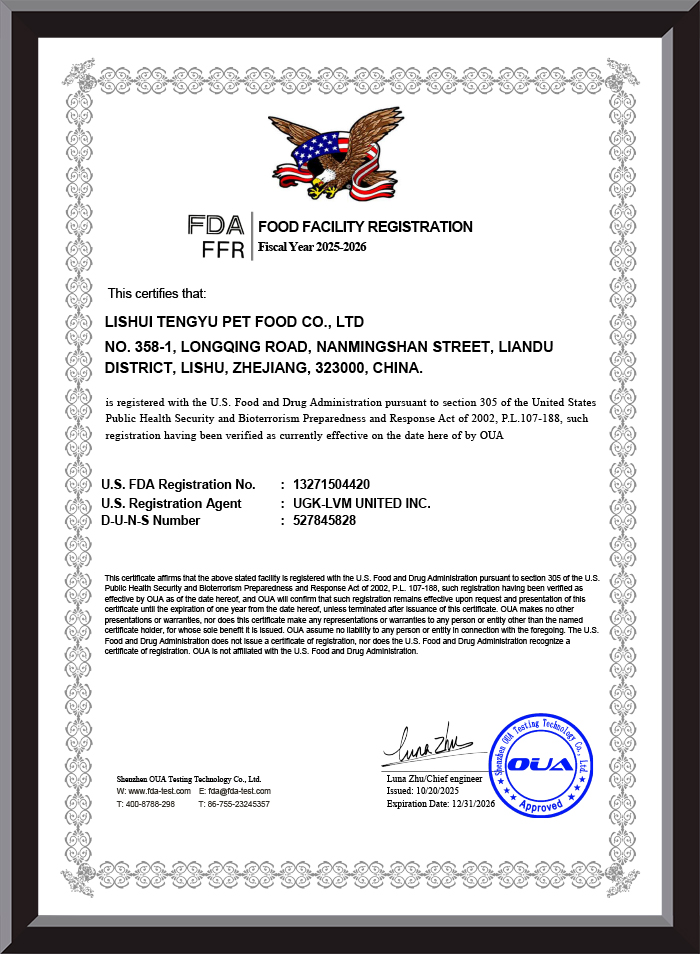
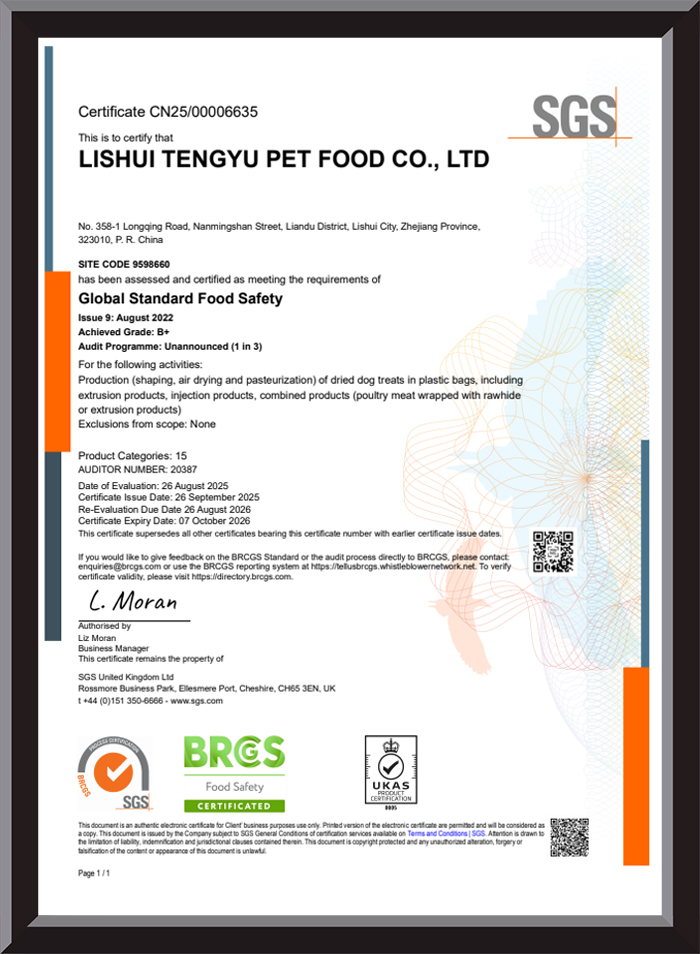
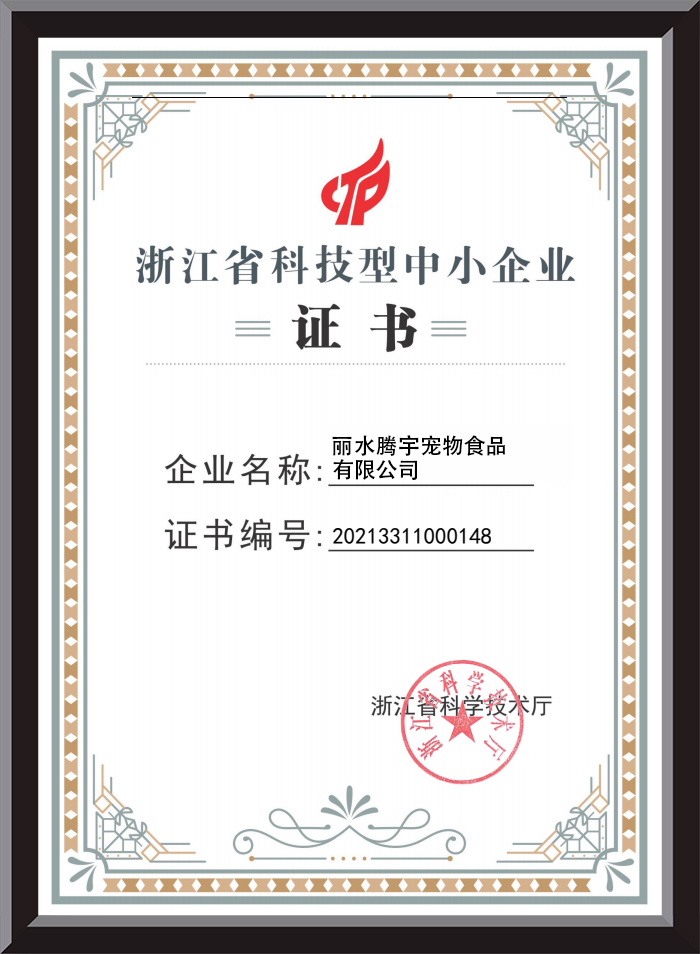
Unsere Produkte verfügen über mehrere Patente und sind von der FDA, HACCP, BRC, IFS und BSCI zertifiziert. Wir exportieren in Märkte weltweit, einschließlich der EU, den USA, Südamerika, Kanada und dem Nahen Osten, und liefern nahrhafte und schmackhafte Snacks an Haustiere rund um den Globus.
Durch den Einsatz fortschrittlicher Automatisierung und effizienter Produktionsprozesse gewährleistet Tengyu eine gleichbleibend hohe Qualität bei gleichzeitig hoher Produktionseffizienz. Das Unternehmen unterstützt kundenspezifische Verpackungen, Gewichtsänderungen und sogar Formgestaltungen, um den Anforderungen der Kunden gerecht zu werden. Tengyus Vision ist es, sich um Haustiere zu kümmern, indem ihnen gesunde und nahrhafte Snacks angeboten werden, die ihr Wohlbefinden und ihre Zufriedenheit fördern.
The Single-Color Duck Paste Rolled Dog Treat Stick uses a rolled stick core with a duck paste coating, combining a firm chew structure with a meat-based outer layer. Unlike knot-shaped chews, the straight rolled format gives manufacturers another way to build a dental snack range. Its 12–12.5 cm length, defined nutritional specifications, and several flavor options also make the format suitable for creating multiple SKUs from a related production platform.
The Rolled Shape Creates a Different Chew Format
The structure of a Single-Color Duck Paste Rolled Dog Treat Stick begins with its rolled core. The manufacturer specifies corn starch, duck breast, and sweet potato powder as the main ingredients, with protein powder and vegetable powder included in the wider formulation. The finished stick measures 12–12.5 cm in length.
This places the product within Rolled Dog Treat Sticks, a category where length and cross-section can be changed without moving to a completely different shape family. Compared with knotted products, the rolled format gives the chew a more uniform profile from one end to the other, which can simplify the relationship between forming, coating, drying, and packing.
Duck Paste Gives the Surface Its Main Flavor
Duck paste is applied directly around the rolled structure of this Single-Color Duck Paste Rolled Dog Treat Stick, giving the surface a consistent duck flavor. The product specification identifies duck paste as the coating and duck breast as one of the main ingredients. This approach fits naturally into Duck Dog Treats, where the flavor can be used to build a separate product line without changing the basic chew format.
The coating also creates a production variable. Application needs to remain reasonably consistent from piece to piece so that finished sticks maintain similar appearance, weight, and surface coverage.
Length Supports Retail SKU Planning
The 12–12.5 cm specification gives the Single-Color Duck Paste Rolled Dog Treat Stick a clearly defined size. For B2B buyers, consistent length makes it easier to plan packaging dimensions, carton quantities, and product labeling.
Size is also useful when building a family of Rolled Dog Treat Sticks. Manufacturers can keep the same general shape while adjusting length for different target markets or dog sizes, and the product page states that size and shape adjustments can be discussed for OEM and ODM orders.
Nutritional Data Helps Define the Specification
The current product lists a minimum protein level of 15%, maximum crude fat of 4.5%, maximum crude ash of 3.5%, maximum crude fiber of 3%, and maximum moisture of 14%. For Duck Dog Treats, these figures give distributors useful reference points when they compare formulations or prepare product documentation for different markets.
Moisture is particularly relevant to the physical characteristics of a Single-Color Duck Paste Rolled Dog Treat Stick. Changes in moisture can affect firmness, handling, storage, and final feel, which keeps formulation and processing closely connected.
One Shape Can Support Several Flavors
The Single-Color Duck Paste Rolled Dog Treat Stick is not limited to duck. The manufacturer lists peanut, chicken, beef, milk, and mint as available flavor options, with flavor development also available for customized orders. A distributor could use one rolled-stick format across several flavor SKUs while changing only the outer paste and the packaging.
Core and Coating Have to Work Together
A Single-Color Duck Paste Rolled Dog Treat Stick has two connected production stages: forming the inner rolled structure and applying the outer paste. The core must hold its shape while the paste adheres evenly to the surface. This relationship is common across Meat Wrapped Dog Treats, where the outer ingredient provides much of the visible appearance and the inner structure determines the physical form of the chew. The product page states that the rolled structure provides a firm and even texture along the full length, so consistency depends on both forming and coating.
Packaging and Sales Channels Follow the Format
The long, narrow Single-Color Duck Paste Rolled Dog Treat Stick needs packaging that protects its shape during handling and transport. The manufacturer states that custom packaging and private-label branding are available, along with adjustments to flavor, size, and shape, so packaging specifications are worth confirming alongside the product itself.
The listed customers include pet food brands, wholesalers, distributors, online retailers, private-label brands, and OEM buyers. For these groups, the same Single-Color Duck Paste Rolled Dog Treat Stick can appear as an individual retail item, part of a mixed flavor pack, or one SKU within a broader chew range, giving Duck Dog Treats programs a rolled option beside bone-shaped and twisted products.
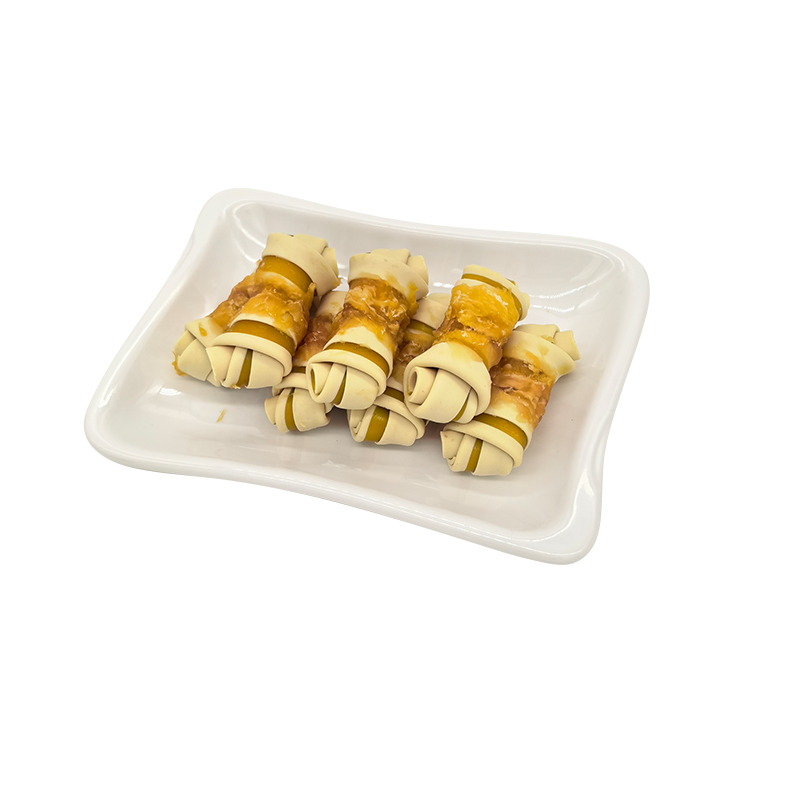
A Single-Color Chicken Paste Knotted Bone Dog Treat combines a starch-based knotted core with a chicken paste coating, giving the chew two distinct components. The core provides the shape, while the outer layer adds a direct chicken flavor. For pet food manufacturers, this format brings texture, coating consistency, size, ingredients, and packaging into one production process.
The Core Sets the Chewing Structure
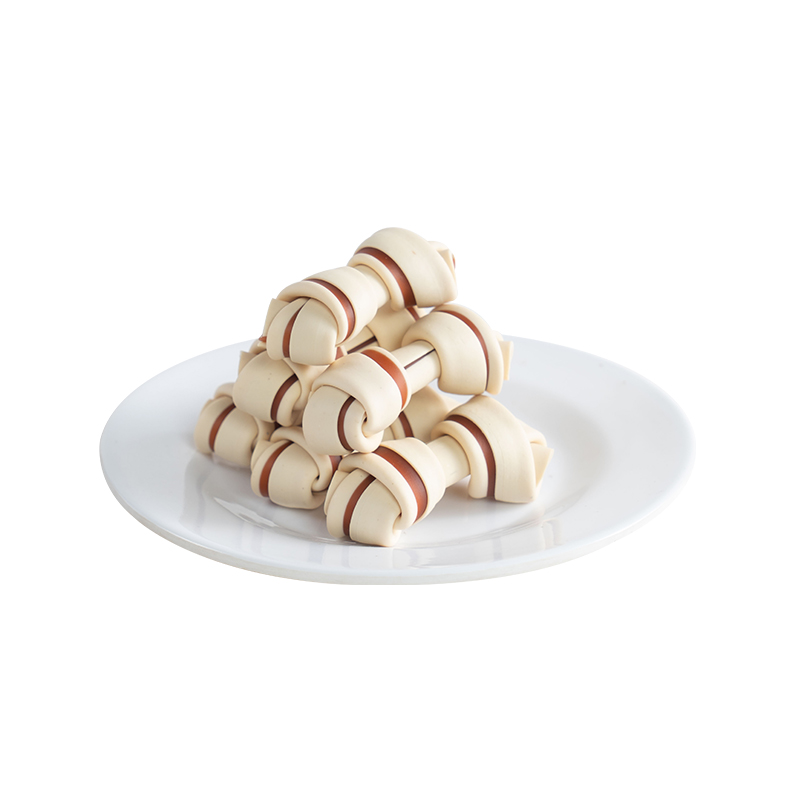
A Single-Color Chicken Paste Knotted Bone Dog Treat starts with its knotted core, which provides the physical body of the chew. The listed formulation includes corn starch, chicken breast, sweet potato powder, protein powder, and vegetable powder. Two sizes are available: 2.5–3 inches and 3.5 inches.
This construction is common in Meat Wrapped Dog Treats, where a shaped core carries an outer meat or paste layer. The connection between the two parts matters because the coating needs to remain attached during handling while the core keeps its form during chewing.
Chicken Paste Changes the Surface Experience
The coating gives a Single-Color Chicken Paste Knotted Bone Dog Treat a different first-bite experience from an uncoated chew. Chicken paste is applied across the outer surface, placing the flavor directly where the dog begins chewing.
This approach fits naturally within Chicken Dog Treats because the flavor layer can vary without changing the basic knotted core. The current specification lists chicken, peanut, beef, milk, and mint, giving buyers several related SKU options.
For a Single-Color Chicken Paste Knotted Bone Dog Treat, coating thickness and coverage are practical variables. Uneven application can change appearance and finished weight, while moisture differences can affect the outer texture.
Size Creates Different Product Positions
A Single-Color Chicken Paste Knotted Bone Dog Treat is offered in two length ranges, allowing buyers to separate products by dog size or expected chewing time.
This type of size segmentation is common across Knotted Bone Dog Treats. A shorter format can serve one group of customers, while a longer version can occupy another position without requiring a completely different production route.
For distributors building a chicken treat category, multiple sizes can also support separate retail packages or mixed product ranges.
Ingredient Control Affects Consistency
The specification lists minimum protein of 15%, maximum crude fat of 4.5%, crude ash of 3.5%, crude fiber of 3%, and moisture of 14%. These figures give B2B buyers a reference when comparing product specifications and production batches.
For Meat Wrapped Dog Treats, ingredient ratios can affect moisture, firmness, coating behavior, and finished weight. Consistent processing is therefore relevant when the same SKU is supplied repeatedly to retailers or distributors.
The formulation also includes glycerin, prebiotics, sorbitol, and potassium sorbate, so buyers should review the full ingredient list when preparing documentation for their target market.
One Core Can Support Several Flavors
A Single-Color Chicken Paste Knotted Bone Dog Treat can sit within a wider family of related products. The current product offers five flavor choices, including mint alongside chicken, peanut, beef, and milk.
This is useful for Chicken Dog Treats lines where buyers want one familiar shape with several flavor variants. The mint option adds a fresh-breath positioning while keeping the general knotted structure.
The supplier also states that OEM and ODM orders can include flavor changes, size and shape adjustments, ingredient modifications, and custom packaging.
The Coating Process Needs Control
A Single-Color Chicken Paste Knotted Bone Dog Treat requires consistent handling after the core is formed. The chicken paste needs to cover the intended surface and remain in place through handling and packing.
This issue also appears across Meat Wrapped Dog Treats, where the relationship between the inner structure and outer layer affects the finished appearance. Moisture, coating amount, forming conditions, and packaging sequence can influence batch consistency.
For B2B buyers, these production points are useful alongside the ingredient list and size specifications when assessing a Single-Color Chicken Paste Knotted Bone Dog Treat.
The Format Fits Several B2B Product Lines
A Single-Color Chicken Paste Knotted Bone Dog Treat combines a recognizable shape with a flavored outer layer, making it suitable for a range of pet treat assortments. Its two sizes and five listed flavors provide room for SKU variation across Knotted Bone Dog Treats.
For buyers, useful comparison points include ingredients, coating consistency, size, nutritional values, flavor availability, and packaging requirements. These details help determine how the product fits an existing Chicken Dog Treats assortment or a private-label program.
The format also shows how Knotted Bone Dog Treats can retain a familiar chewing structure while changing flavor and product positioning.
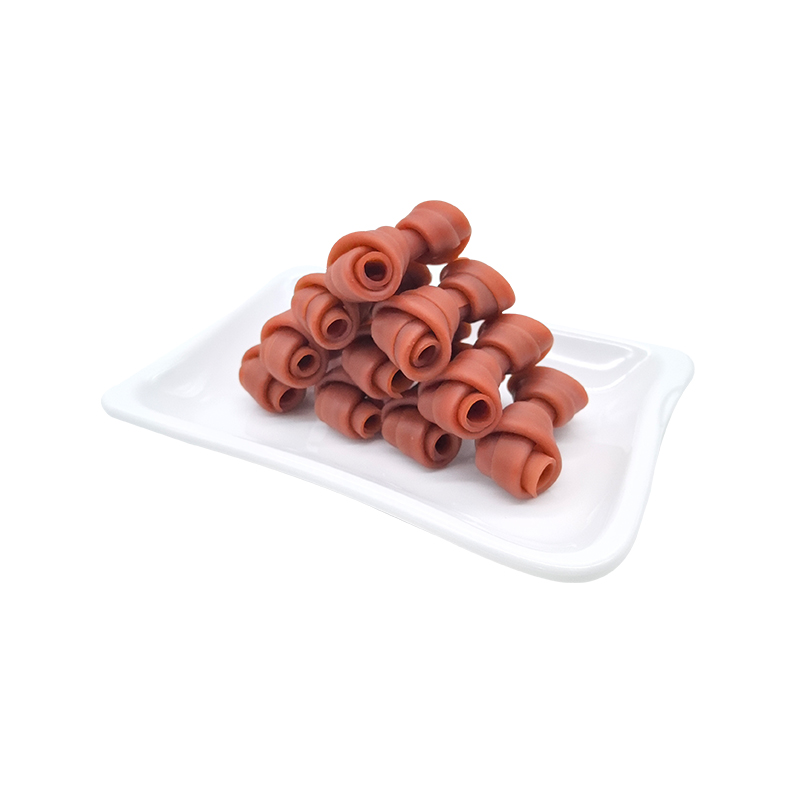
A distinctive shape can give a familiar dog chew a completely different presence. At Lishui Tengyu Pet Food Co., Ltd., the plum blossom profile offers an interesting alternative to straight bars and traditional knotted bones. Twisted Collagen Chew Sticks combine a shaped outer profile with a spiral structure, bringing together mold design, forming, twisting, and drying in one production process. The finished appearance may look simple, but keeping the shape clear while maintaining the intended texture requires several manufacturing steps to work together.
Mold Geometry Sets the Starting Point
The plum blossom outline begins with the mold. For Twisted Collagen Chew Sticks, the cavity needs to reproduce the curved petal sections while leaving enough material around each part of the profile to support the forming and drying stages.
Lishui Tengyu develops the mold according to the dimensions and structure of the chew rather than treating the outline as a surface decoration added at the end. The depth of the cavity, the spacing between the petals, and the relationship between the central section and outer edges all influence the final appearance.
Once the material enters the forming stage, the mold has to transfer these details consistently. This is particularly important for a multi-petal design because the outline needs to remain recognizable after the product moves through subsequent processing.
Twisting Adds Another Layer to the Forming Process
The spiral structure is another important part of the design. A straight chew can be formed around a relatively simple axis, while a twisted format requires the material to maintain its profile as it moves through a controlled rotation.
During production, Lishui Tengyu coordinates the shaped core with the twisting process so that the plum blossom outline remains visible along the length of the stick. The twist pitch also affects the visual rhythm of the product. A suitable pitch creates defined ridges without overwhelming the original flower-like profile.
For Twisted Collagen Chew Sticks, this combination of longitudinal twisting and cross-sectional shaping gives the product a more dimensional structure than a conventional straight chew. The raised areas also create different contact points as a dog bites and gnaws the stick, adding a physical characteristic to the design rather than relying on appearance alone.
Drying Helps Establish the Final Structure
Forming is only one stage of the manufacturing process. After the shape has been created, moisture and drying conditions influence how well the finished outline is retained.
Collagen chew material changes as moisture is removed, so drying needs to be managed in relation to the dimensions and structure established during forming. Lishui Tengyu monitors core moisture content and drying temperature as the product moves through production. This helps the shaped sections settle into their final condition without losing the characteristics established by the mold.
The same principle applies to Twisted Collagen Chew Sticks across different production batches. A stable process allows the shape, texture, and overall dimensions to remain closer to the established product specification rather than depending only on an individual development sample.
Shape and Texture Work Together
A shaped chew is not simply a standard stick with a decorative outline. The combination of the petal profile and spiral twist changes the way the material is presented to the dog's teeth during chewing.
The raised sections created by the twist provide a different surface structure from a smooth straight bar. At the same time, the solid collagen-based construction provides the underlying chew texture. This makes the geometry part of the product's physical characteristics.
At Lishui Tengyu, nutritional specifications remain an important part of the finished product. The collagen chew series maintains a minimum crude protein level of 35%, while crude fat and moisture are also monitored as part of routine production control. Shape development therefore takes place alongside the same broader quality requirements used for the product range.
One Design Can Lead to Multiple OEM Variations
The plum blossom format is one option within a wider range of shaped and twisted chew designs. For private-label and OEM programs, Lishui Tengyu can work with variations in size, thickness, flavor, packaging, and overall shape while maintaining the basic manufacturing concept.
Existing flavor directions include peanut, chicken, beef, milk, and mint, giving brands room to build related products around different taste preferences. Twisted Collagen Chew Sticks can therefore function as part of a broader SKU family rather than as a single isolated product.
This approach also allows product development to focus on the elements that matter most for a particular market. A brand may retain the same general chew structure while changing the dimensions or flavor, or it may use a different silhouette to create a separate visual identity.
Mold Design Becomes Part of Product Development
The development of Twisted Collagen Chew Sticks shows how mold engineering can influence much more than appearance. The mold establishes the basic profile, twisting gives the product its spiral structure, and controlled drying helps stabilize the finished form. Nutritional and physical checks then provide additional control throughout production.
For manufacturers working on shaped collagen chews, these stages are closely connected. A successful product design needs to remain practical from the first mold trial through regular production, especially when the same concept is adapted into different sizes, flavors, or packaging formats.
The plum blossom design demonstrates how a relatively familiar collagen chew can take on a new identity through changes in geometry and forming. By combining established collagen chew production with dedicated mold development, Twisted Collagen Chew Sticks provide another direction for brands looking to expand a chew range with a more distinctive shape and structure.
Pet treat shelves are becoming more varied, but the changes are not always about adding more ingredients or more complicated shapes. In recent years, single-protein recipes, recognizable meat sources, and chewable formats have gained space in the category. Duck has also moved beyond specialty treats into more everyday snack formats, giving manufacturers another protein option as brands expand their product ranges.
The Single-Color Duck Dog Treat reflects this shift in a different way. Instead of using several visible colors or elaborate decorations, it combines a knotted bone structure with a duck paste coating. The result places greater emphasis on flavor, texture, and the physical experience of chewing.
Duck Becomes A More Distinct Protein Choice
Chicken and beef remain familiar choices in dog treats, but duck provides brands with another way to diversify a meat-based range. This is particularly relevant as pet food companies pay closer attention to named protein sources and simpler ingredient positioning.
A duck-coated chew can fit naturally into this type of product line. The duck paste is applied across the surface of the knotted structure, giving the treat a consistent flavor rather than concentrating the meat component in one section.
For the Single-Color Duck Dog Treat, the single-color appearance also creates a relatively clean visual identity. Instead of relying on contrasting colors to attract attention, the product can communicate its flavor through the coating and packaging. That approach fits neatly into pet treat collections built around different protein varieties.
The Knotted Shape Adds A Second Function
The shape of a dog treat influences how a dog interacts with it. A small soft snack may disappear quickly, while a firmer chew encourages a longer period of biting and gnawing.
The knotted structure used in the Single-Color Duck Dog Treat creates resistance around the ends of the chew. Its form also gives manufacturers a stable base for applying the duck paste, allowing the flavor layer to follow the contours of the product.
This type of construction is part of a wider move toward chewable dog treats that combine snack appeal with a more extended chewing experience. The category has increasingly moved beyond simple reward pieces toward products where shape and texture contribute to how the treat is consumed.
Production Requires Consistency Between Core And Coating
Composite dog treats present a different production challenge from single-material snacks. The inner structure needs to maintain its shape, while the outer meat or flavor layer needs to adhere evenly.
For a Duck Dog Treat, uneven coating can affect both appearance and the distribution of flavor across the surface. The knotted sections also require attention because their curves and recessed areas are more difficult to coat consistently than a flat surface.
The production process therefore involves controlling the formed chew structure before applying the duck paste. Ingredient proportions, moisture, coating thickness, and drying conditions can all influence the final texture. The product specification lists corn starch, duck breast meat, and sweet potato starch among its main ingredients, with additional components used in the finished formulation.
At Lishui Tengyu Pet Food Co., Ltd., this type of product sits within a broader range of knotted bones, meat-wrapped treats, dental chews, and jerky. The company combines pet treat production with product development, allowing similar base structures to be adapted for different flavors and formats.
One Shape Can Support Several Market Variations
Another development in the pet treat category is the use of one basic structure across multiple flavor versions. A manufacturer can retain the same knotted form while changing the outer flavor, color, size, or packaging.
This gives the Single-Color Duck Dog Treat a place within a broader SKU strategy rather than treating it as an isolated product. Duck can sit alongside chicken, beef, milk, peanut, or mint variations, allowing brands to build a recognizable series without creating a completely new structure for every flavor. The product line already supports several such flavor directions.
For export-oriented pet treat production, this flexibility also helps connect product development with regional preferences. Different markets may respond differently to protein choices, treat sizes, packaging styles, or functional positioning, while the underlying chew format can remain largely unchanged.
As pet treat ranges continue moving toward clearer protein positioning and more varied chewing formats, the Single-Color Duck Dog Treatrepresents a practical middle ground: a familiar knotted chew structure combined with a more distinctive meat flavor. The broader trend is less about making treats visually complicated and more about giving a simple format a clear reason to stand out.
A starch-based chew core and a meat wrap sound like two ingredients layered together, but getting Knotted Bone Dog Treats to hold their shape through an actual chewing session depends on how well those two components are cooked and bonded before the knot ever gets tied. Two treats can look identical sitting side by side on a shelf and still behave very differently in a dog's mouth, depending on choices made earlier in the production line that never show up on an ingredient panel. Flavor range and knot shape are what a customer notices right away, but the part of the process that actually determines whether a batch of Knotted Bone Dog Treats performs consistently happens well before any of that.
Starch Core Cooking Decides Whether The Chew Crumbles Or Wears Down
Corn starch and sweet potato starch need enough heat and moisture during extrusion to fully gelatinize, turning loose starch granules into a dense, cohesive matrix that wears down gradually under a dog's teeth rather than breaking apart in chunks. An undercooked core looks solid coming off the line but can crumble mid-chew into pieces sized wrong for safe swallowing, particularly on Knotted Bone Dog Treats aimed at smaller dogs with less bite force to work through a properly cooked core anyway. Extrusion time and temperature have to be tracked closely for this reason, because two production runs on the same starch ratio can still turn out a noticeably different bite if that gelatinization step drifts even slightly. A quick way to spot the difference is a bend test on a sample piece: a properly gelatinized core flexes slightly before breaking, while an undercooked one snaps cleanly with almost no give.
Meat-Wrap Adhesion Matters As Much As Meat Quality
Real duck breast meat wrapped around a starch core only stays useful if it bonds to that core rather than sitting as a loose outer shell. A weak bond lets the meat layer separate in one piece during aggressive chewing, handing a dog a larger, unexpected chunk to swallow rather than the gradual wear the product is designed for. This matters more on an enthusiastic chewer that tugs and pulls at a treat rather than gnawing steadily, since that pulling motion is exactly what peels a poorly bonded wrap away from the core underneath it. Moisture transfer between the meat layer and the starch core during processing is what creates that bond, and the drying and bonding stage has to run its full course for Knotted Bone Dog Treats to hold together under real chewing pressure rather than just looking fully assembled off the line.
Knot Geometry Needs To Stay Consistent Across A Batch
The knot at each end is what gives these treats their resistance and extended chew time, but that only works if the knot ties to a consistent tightness and size run after run. A loosely tied knot on one unit and a tightly compressed one on the next means two treats from the same batch of Knotted Bone Dog Treats chew completely differently, and an inconsistent knot size across a size range also affects whether a piece is genuinely scaled for a small breed or just a scaled-down photo of a large-breed version. Automated tying equipment holds that tolerance far more consistently than hand-tied production, which is part of why knot dimensions on Knotted Bone Dog Treats get tracked as a batch-level spec rather than left to a single approved sample to represent the whole run.
Starch gelatinization, meat-to-core adhesion, and consistent knot tying are the three variables working together behind a finished piece, and getting all three right at once is what lets Knotted Bone Dog Treats hold the shape and chew resistance the knot itself promises, run after run rather than only in a hand-picked sample.
A dog chew does not have to look complicated to stand out. At Lishui Tengyu Pet Food Co., Ltd., a change in silhouette can make a familiar chew format feel noticeably different without requiring an entirely new formulation. Butterfly-Shaped Dog Chew Treats are one example. The butterfly outline gives a conventional dental chew a more distinctive appearance, while the underlying production process still depends on familiar controls such as ingredient mixing, forming, drying, and moisture management.
Shape Starts With the Mold, Not the Finished Product
When Lishui Tengyu develops Butterfly-Shaped Dog Chew Treats, the mold is one of the first production factors considered. A butterfly outline contains several curves and narrow sections that need to remain recognizable after forming and drying. The mold therefore has to provide enough definition without creating unnecessarily thin areas that could affect the finished piece.
The company normally looks at the relationship between cavity design, material consistency, and forming pressure together. A mold can reproduce a shape accurately during an initial trial, but maintaining that appearance throughout regular production requires the material to behave consistently as well. For this reason, shape development is not treated as an isolated tooling task. It is connected with the condition of the chew material before and during forming.
A Familiar Formula Can Support a Different Product Shape
One advantage of shaped chews is that the visual design can change while much of the underlying formulation remains familiar. The Butterfly-Shaped Dog Chew Treats produced by Lishui Tengyu use chicken breast as the primary animal protein, combined with corn starch and sweet potato powder as part of the base structure. Glycerin, sorbitol, minerals, and potassium sorbate are also included in the formulation.
This type of composition gives the manufacturer a workable base for developing different silhouettes. Instead of changing every part of a product when a new SKU is required, Lishui Tengyu can work from an established formulation and focus development work on dimensions, mold geometry, flavor direction, and packaging requirements. That makes shaped chews practical for product lines that need visual variety while keeping the manufacturing system relatively consistent.
Moisture Control Influences the Finished Chew
For Butterfly-Shaped Dog Chew Treats, moisture is more than a figure recorded during quality testing. It also affects the way the material behaves during forming and the texture of the finished chew.
During production, the material needs enough consistency to move through the forming stage while retaining the details created by the mold. After forming, controlled drying helps establish the final texture and dimensional stability. Lishui Tengyu therefore monitors moisture together with other nutritional and production parameters rather than treating it as a separate laboratory number.
The current specification sets a minimum crude protein level of 10% and a maximum crude fat level of 4%, with moisture controlled to a maximum of 18%. These figures provide a defined reference for production batches and help the company maintain a consistent product profile as manufacturing moves from development samples into routine production.
The Solid Structure Affects Chewing Performance
The purpose of the shape is not limited to appearance. A solid chew behaves differently from a softer snack because the dog has to work against the structure over a longer period. With Butterfly-Shaped Dog Chew Treats, the thickness, compactness, and overall geometry all contribute to how the chew responds when a dog bites and gnaws it.
This is also where production consistency becomes important. If the central section is noticeably thicker in one batch and thinner in another, the chewing experience can change even when the ingredient list remains identical. Lishui Tengyu therefore considers the physical structure alongside formulation and nutritional specifications during production.
From One Mold to a Wider Custom Shape Program
The butterfly design can also serve as a starting point for customized dog treat development. Lishui Tengyu regularly works with variations in size, flavor, packaging, and shape, depending on the product direction being developed. The company's in-house mold design capability allows a new outline to be considered from a manufacturing perspective before it moves into regular production.
For Butterfly-Shaped Dog Chew Treats, this means the recognizable silhouette can be adjusted without necessarily rebuilding the entire product concept. Dimensions can be modified for different dog sizes, while flavor and packaging can be developed around the same basic structure.
This approach is useful for private-label programs where several SKUs need to look related but not identical. A butterfly, star, X-shape, or other custom silhouette can give a product family its own visual language while sharing parts of an established manufacturing process.
Shape Design Is Becoming Part of Product Development
The value of Butterfly-Shaped Dog Chew Treats comes from bringing several elements together rather than relying on appearance alone. Mold geometry creates the silhouette, formulation provides the material foundation, drying establishes the finished texture, and production controls help keep the result consistent from batch to batch.
For brands developing new dental chew ranges, this combination creates room for more distinctive product designs without making every new SKU a completely separate manufacturing project. Butterfly-Shaped Dog Chew Treats show how a relatively simple change in form can add another layer to an established chew format while remaining closely connected to the production methods already used across the product range.


 English
 Español
 Deutsch