Willkommen bei Lishui Tengyu Pet Food Co., Ltd.
[email protected]

 English
 Español
 Deutsch


Branchennachrichten

Branchennachrichten
Schmetterlingsförmige Kausnacks für Hunde bringen Formdesign in Zahnkauartikel
Ein Kauspielzeug für Hunde muss nicht kompliziert aussehen, um aufzufallen. Bei Lishui Tengyu Pet Food Co., Ltd. kann eine Änderung der Silhouette dazu führen, dass sich ein bekanntes Kauformat spürbar anders anfühlt, ohne dass eine völlig neue Formulierung erforderlich ist. Ein Beispiel sind schmetterlingsförmige Kausnacks für Hunde. Die Schmetterlingskontur verleiht einem herkömmlichen Zahnkauartikel ein markanteres Aussehen, während der zugrunde liegende Produktionsprozess immer noch von bekannten Kontrollen wie dem Mischen, Formen, Trocknen und Feuchtigkeitsmanagement der Zutaten abhängt.
Die Form beginnt mit der Form, nicht mit dem fertigen Produkt
Wenn sich Lishui Tengyu entwickelt Kausnacks für Hunde in Schmetterlingsform Die Form ist einer der ersten berücksichtigten Produktionsfaktoren. Ein Schmetterlingsumriss enthält mehrere Kurven und schmale Abschnitte, die nach dem Formen und Trocknen erkennbar bleiben müssen. Die Form muss daher genügend Definition bieten, ohne unnötig dünne Bereiche zu erzeugen, die das fertige Stück beeinträchtigen könnten.
Normalerweise betrachtet das Unternehmen die Beziehung zwischen Kavitätsdesign, Materialkonsistenz und Formdruck gemeinsam. Eine Form kann eine Form während eines ersten Versuchs genau reproduzieren, aber um dieses Erscheinungsbild während der regulären Produktion aufrechtzuerhalten, muss sich das Material auch konsistent verhalten. Aus diesem Grund wird die Formentwicklung nicht als isolierte Werkzeugaufgabe behandelt. Es hängt mit dem Zustand des Kaumaterials vor und während der Formung zusammen.
Eine vertraute Formel kann eine andere Produktform unterstützen
Ein Vorteil von geformten Kausnacks besteht darin, dass sich das visuelle Design ändern kann, während ein Großteil der zugrunde liegenden Formulierung vertraut bleibt. Die von Lishui Tengyu hergestellten schmetterlingsförmigen Kausnacks für Hunde verwenden Hühnerbrust als primäres tierisches Protein, kombiniert mit Maisstärke und Süßkartoffelpulver als Teil der Grundstruktur. Glycerin, Sorbitol, Mineralien und Kaliumsorbat sind ebenfalls in der Formulierung enthalten.
Diese Art der Komposition bietet dem Hersteller eine brauchbare Grundlage für die Entwicklung verschiedener Silhouetten. Anstatt jeden Teil eines Produkts zu ändern, wenn eine neue SKU benötigt wird, kann Lishui Tengyu von einer etablierten Rezeptur ausgehen und die Entwicklungsarbeit auf Abmessungen, Formgeometrie, Geschmacksrichtung und Verpackungsanforderungen konzentrieren. Das macht geformte Kauartikel praktisch für Produktlinien, die eine visuelle Abwechslung erfordern und gleichzeitig das Herstellungssystem relativ konsistent halten müssen.
Die Feuchtigkeitskontrolle beeinflusst den fertigen Kausnack
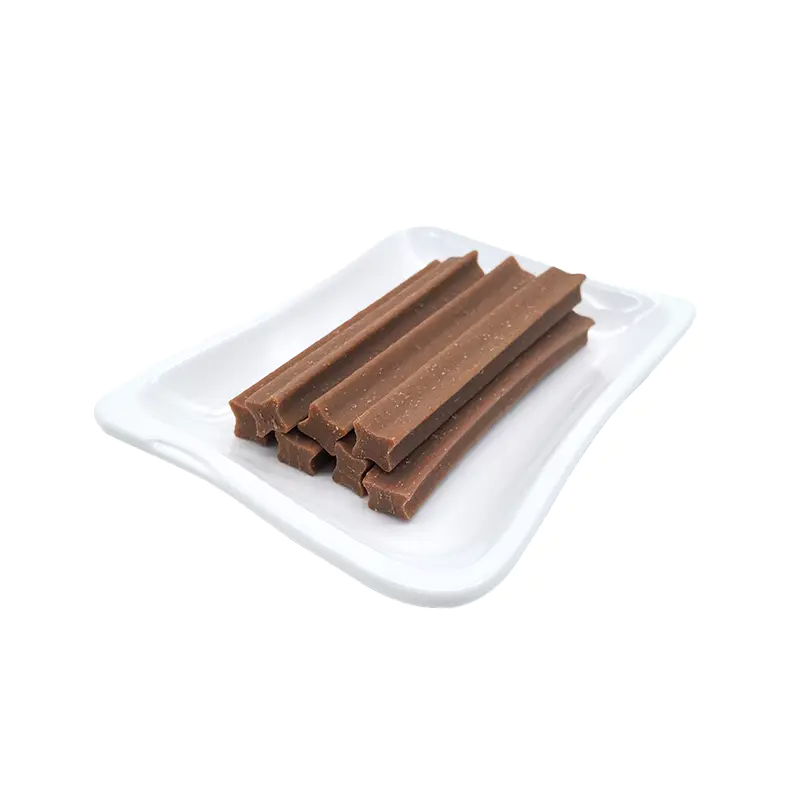
Bei schmetterlingsförmigen Kausnacks für Hunde liegt die Feuchtigkeit über einem Wert, der bei Qualitätstests ermittelt wurde. Es beeinflusst auch das Verhalten des Materials beim Formen und die Textur des fertigen Kauartikels.
Während der Produktion benötigt das Material genügend Konsistenz, um die Formungsphase zu durchlaufen und dabei die durch die Form erzeugten Details beizubehalten. Nach dem Formen trägt eine kontrollierte Trocknung dazu bei, die endgültige Textur und Dimensionsstabilität herzustellen. Lishui Tengyu überwacht daher die Feuchtigkeit zusammen mit anderen Nährwert- und Produktionsparametern, anstatt sie als separate Labornummer zu behandeln.
Die aktuelle Spezifikation legt einen minimalen Rohproteingehalt von 10 % und einen maximalen Rohfettgehalt von 4 % fest, wobei die Feuchtigkeit auf maximal 18 % geregelt wird. Diese Zahlen bieten eine definierte Referenz für Produktionschargen und helfen dem Unternehmen, ein konsistentes Produktprofil aufrechtzuerhalten, während die Fertigung von Entwicklungsmustern in die Routineproduktion übergeht.
Die feste Struktur beeinflusst die Kauleistung
Der Zweck der Form beschränkt sich nicht nur auf das Aussehen. Ein fester Kausnack verhält sich anders als ein weicherer Snack, da der Hund über einen längeren Zeitraum gegen die Struktur arbeiten muss. Bei schmetterlingsförmigen Kausnacks für Hunde tragen Dicke, Kompaktheit und Gesamtgeometrie dazu bei, wie der Kausnack reagiert, wenn ein Hund daran beißt und nagt.
Auch hier kommt es auf die Produktionskonsistenz an. Wenn der Mittelteil bei einer Charge merklich dicker und bei einer anderen dünner ist, kann sich das Kauerlebnis auch bei gleichbleibender Zutatenliste verändern. Lishui Tengyu berücksichtigt daher bei der Produktion neben der Rezeptur und den Nährwertangaben auch die physikalische Struktur.
Von einer einzigen Form zu einem umfassenderen Programm für individuelle Formen
Das Schmetterlingsdesign kann auch als Ausgangspunkt für die Entwicklung individueller Hundeleckerlis dienen. Lishui Tengyu arbeitet regelmäßig mit Variationen in Größe, Geschmack, Verpackung und Form, abhängig von der Produktrichtung, die entwickelt wird. Dank der unternehmensinternen Möglichkeiten zur Formenkonstruktion kann ein neuer Entwurf aus Fertigungsperspektive betrachtet werden, bevor er in die reguläre Produktion übergeht.
Bei schmetterlingsförmigen Kausnacks für Hunde bedeutet dies, dass die erkennbare Silhouette angepasst werden kann, ohne dass unbedingt das gesamte Produktkonzept neu erstellt werden muss. Die Abmessungen können für unterschiedliche Hundegrößen geändert werden, während Geschmack und Verpackung auf der Grundlage derselben Grundstruktur entwickelt werden können.
Dieser Ansatz ist für Private-Label-Programme nützlich, bei denen mehrere SKUs zwar verwandt, aber nicht identisch aussehen müssen. Ein Schmetterling, ein Stern, eine X-Form oder eine andere individuelle Silhouette kann einer Produktfamilie eine eigene visuelle Sprache verleihen und gleichzeitig Teile eines etablierten Herstellungsprozesses teilen.
Formdesign wird Teil der Produktentwicklung
Der Wert schmetterlingsförmiger Kausnacks für Hunde liegt darin, dass sie mehrere Elemente zusammenbringen, anstatt sich nur auf das Aussehen zu verlassen. Die Formgeometrie erzeugt die Silhouette, die Formulierung liefert die Materialgrundlage, die Trocknung sorgt für die fertige Textur und Produktionskontrollen tragen dazu bei, dass das Ergebnis von Charge zu Charge konsistent bleibt.
Für Marken, die neue Zahnkauartikel-Sortimente entwickeln, schafft diese Kombination Raum für markantere Produktdesigns, ohne dass jede neue SKU ein völlig separates Fertigungsprojekt wird. Kausnacks für Hunde in Schmetterlingsform zeigen, wie eine relativ einfache Formänderung einem etablierten Kauformat eine weitere Ebene hinzufügen kann und gleichzeitig eng mit den bereits in der gesamten Produktpalette verwendeten Produktionsmethoden verbunden bleibt.
WEITER: Mit Enten umwickelte gedrehte Kollagenstäbchen enthalten etwas weniger Fett
-
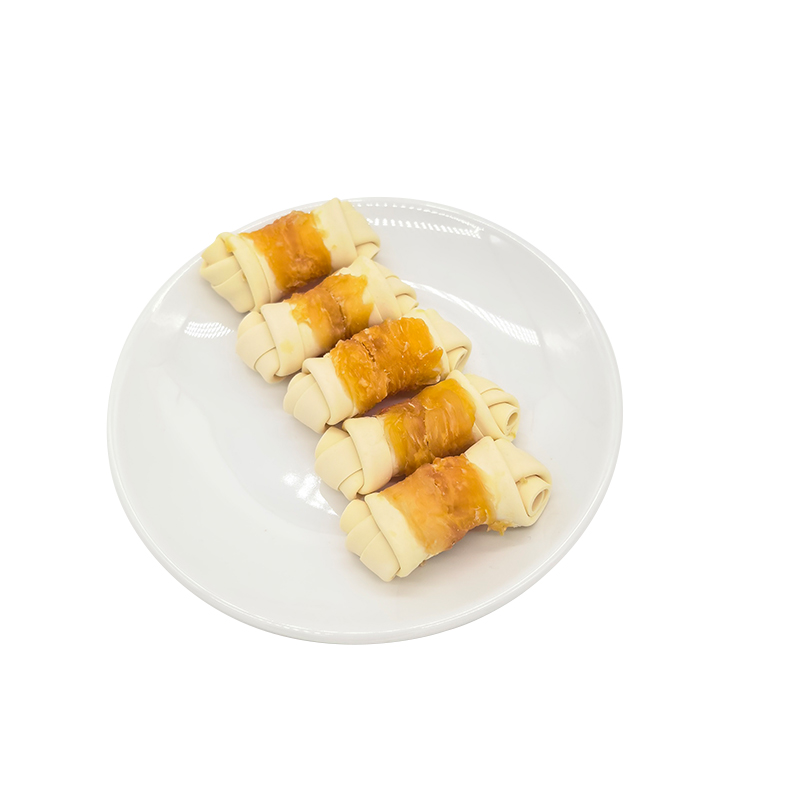
Fleischumwickelte Hundesnacks
Unsere 2,5–3 Zoll großen, mit Hühnerfleisch überzogenen Stärkeknochen-Kautabletten KN001 wurden s...Mehr anzeigen -
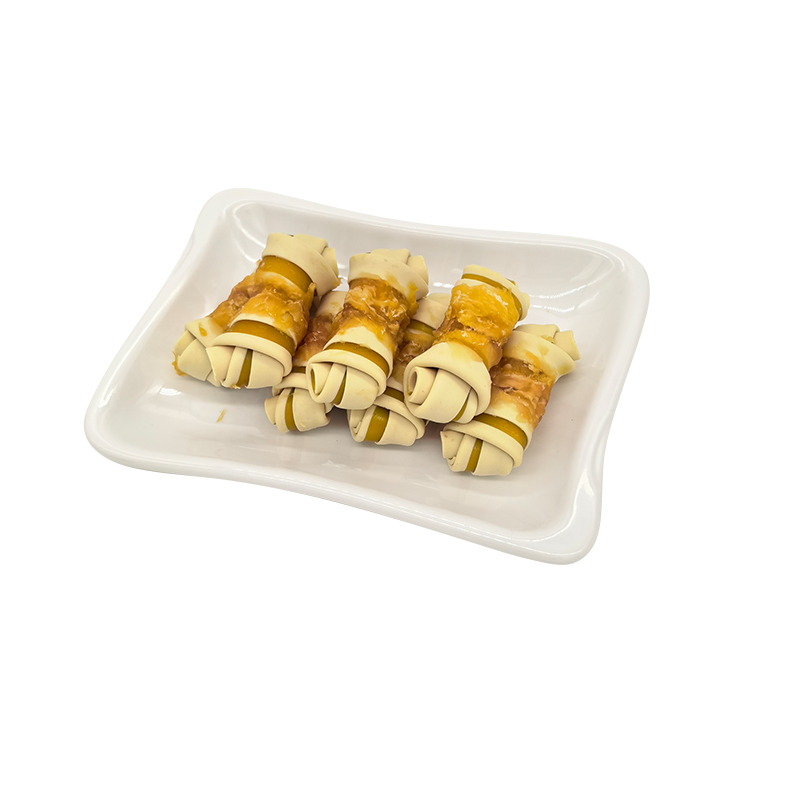
Fleischumwickelte Hundesnacks
Die KN003 Bio-Protein-Kausnacks für Hunde werden aus einer gesunden Mischung aus Maisstärke, Süßk...Mehr anzeigen -
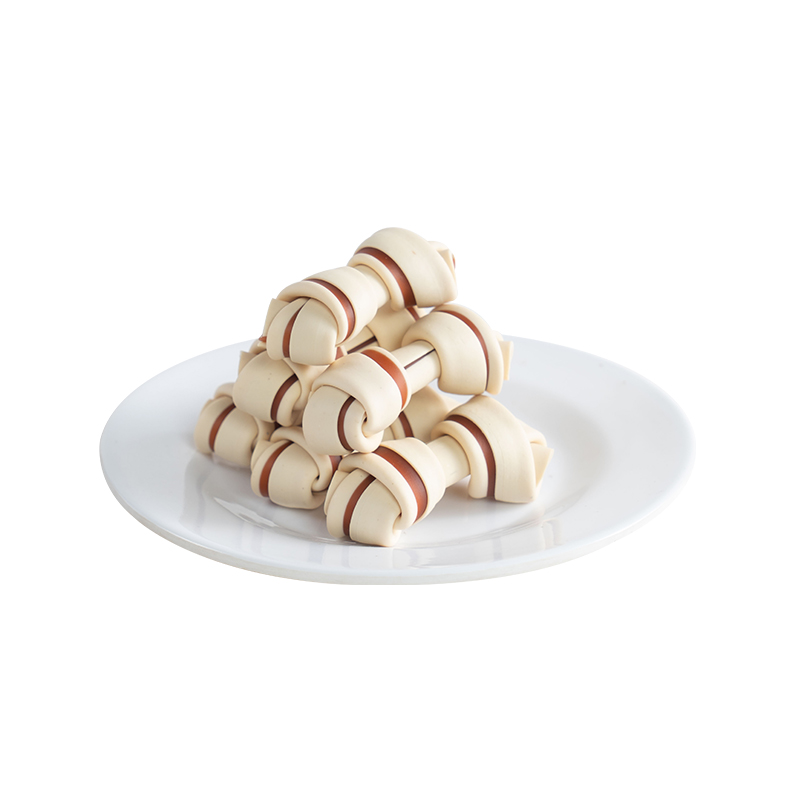
Knotenbein-Serie
Der Hundesnack KN004 Kaugummi zum Zähneknirschen und Reinigen der Zähne ist ein Kausnack auf Stär...Mehr anzeigen -
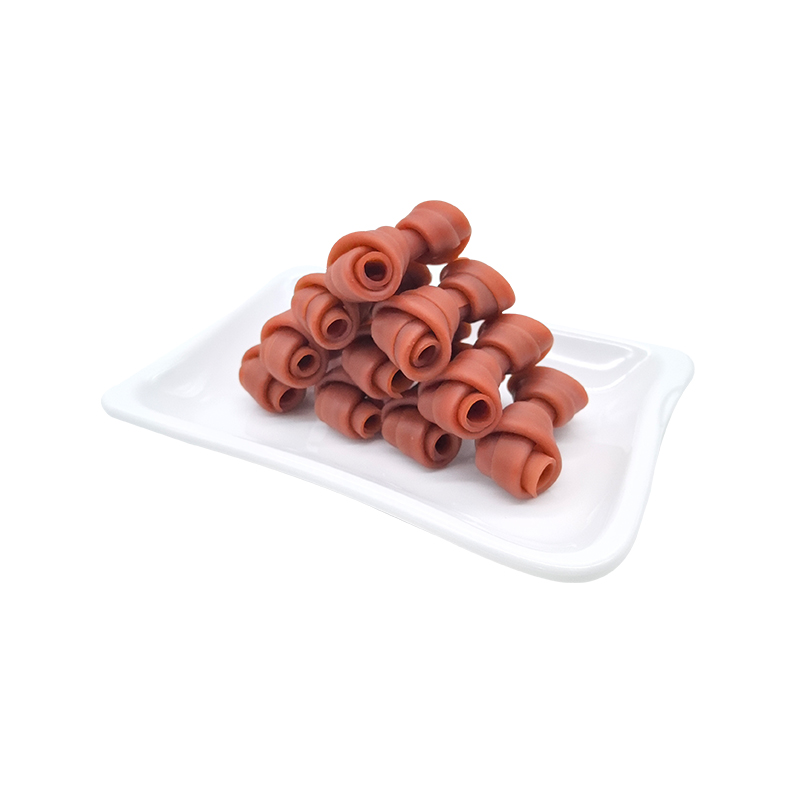
Knotenbein-Serie
KN005 Kausnacks aus einfarbigem Knochen für Hunde, sicheres und gesundes Tierfutter, ist ein gesu...Mehr anzeigen -
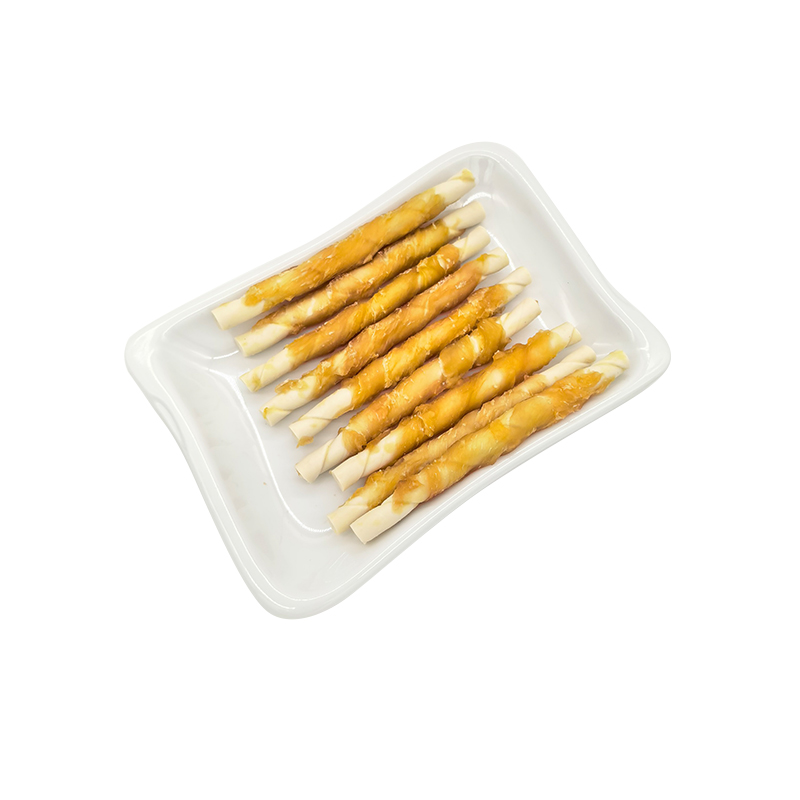
Fleischumwickelte Hundesnacks
ST001 12 cm große, nahrhafte, mit Fleisch umwickelte Hähnchenbrötchen für Haustiere mit Milchgesc...Mehr anzeigen -
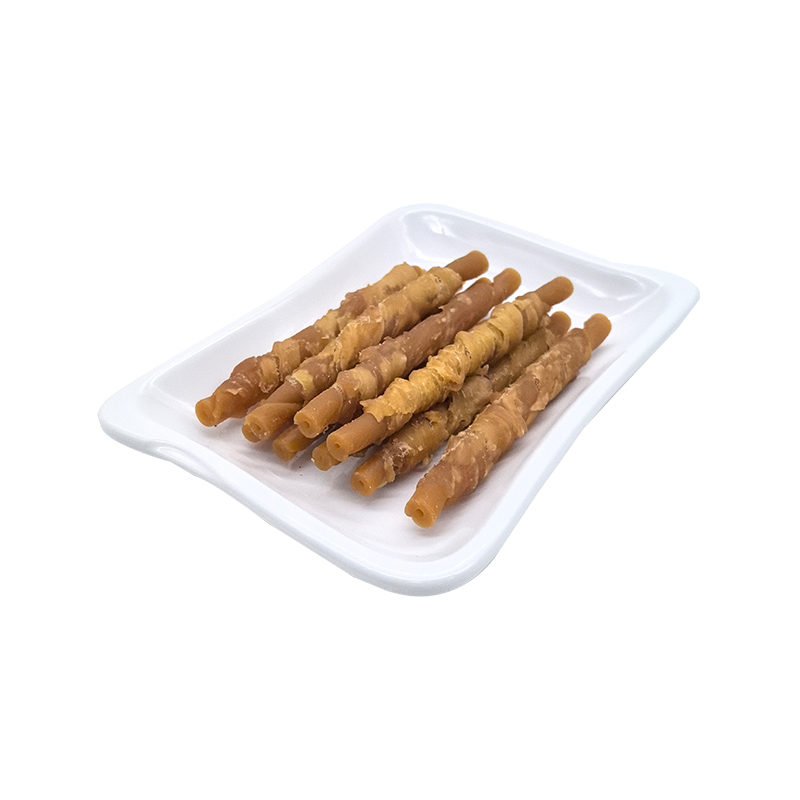
Fleischumwickelte Hundesnacks
Der Bio-Zahnkaustick ST002 mit Hühnergeschmack ist ein gesunder und schmackhafter Snack für den t...Mehr anzeigen


ZEIT, IHRE HAUSTIERE
ZU FÜTTERN
-
Schnelllinks
-

Das Unternehmen integriert Produktions- und F&E-Funktionen und sein Kerngeschäft konzentriert sich auf F&E und Produktion von Tiersnacks und Tierkauartikeln.
-
KONTAKT
Telefon/WhatsApp:
+86 18067755187
+86-18657866096 E-Mail:
[email protected]
[email protected] Adresse: Nr.358-1, Longqing Road, Nanmingshan Street, Bezirk Liandu, Lishui, Zhejiang, China
